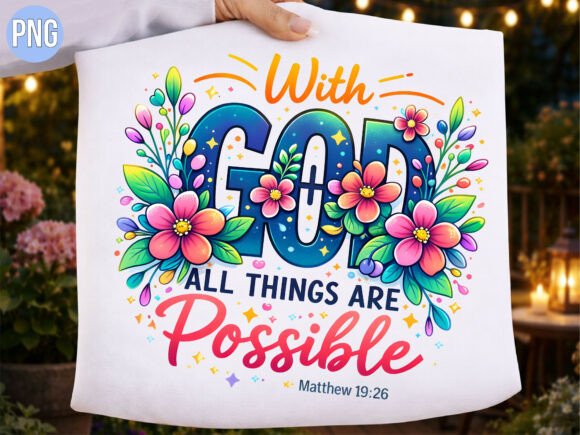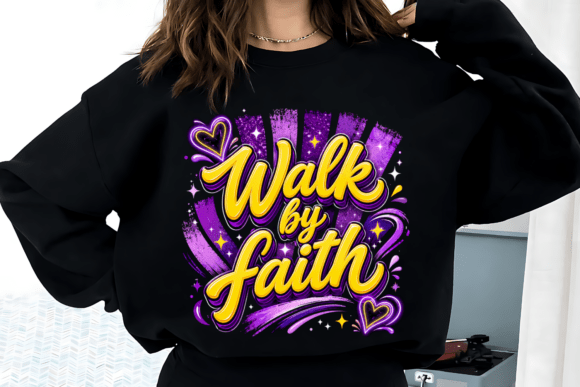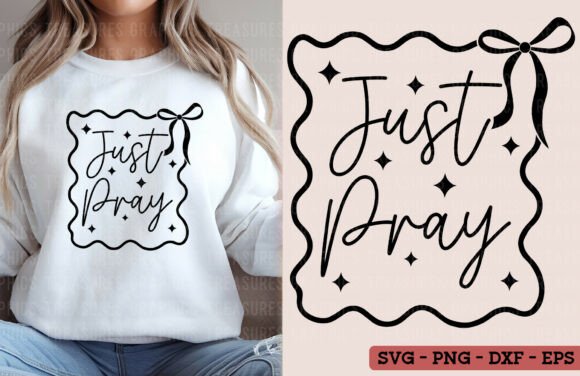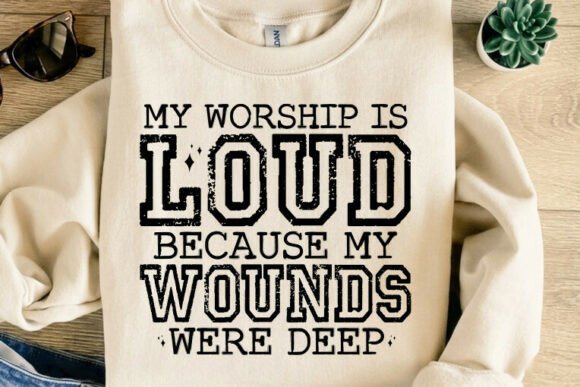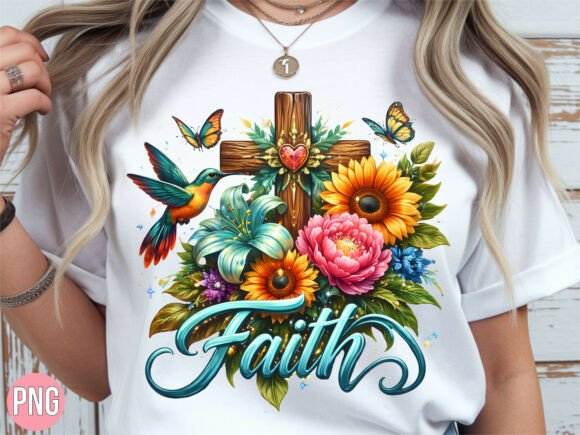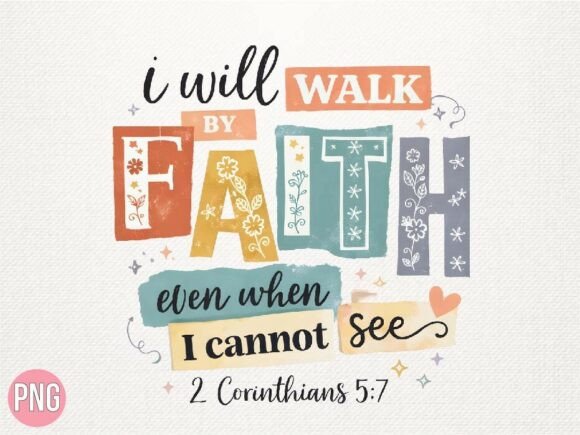
Walk by Faith Bible T-Shirt Designs
First Impression: Warm, Grounded, and Spiritually Anchored
When I opened Walk by Faith Christian Scripture Bible for a recent local boutique branding project—specifically for “Grace & Grain,” a faith-centered artisanal bakery in Asheville—I felt immediate resonance. The design carries quiet confidence: soft serif lettering layered with delicate vine motifs and subtle scripture calligraphy. It’s neither overly ornate nor starkly minimal—it lands firmly in the *thoughtful handmade* zone. This isn’t flashy gospel merch; it’s gentle, reverent, and human-scaled. For small business branding, that means it reads as authentic, not performative. It suggests a brand personality rooted in sincerity, care, and community—not conversion, but connection.
Where It Fits Best in Real Local Business Design
Walk by Faith Christian Scripture Bible shines brightest when used as a *supportive graphic design asset*, not a standalone logo. In our bakery rollout, we applied it to:
- Front-of-pack labels on honey-oat loaves and lavender shortbread tins—placed as a subtle foil-stamped accent beneath the main brand mark
- Hang tags for seasonal gift boxes (think Easter or Advent collections), where its warmth reinforced emotional storytelling
- Thank-you cards tucked into online orders, printed on cream linen stock—its script rhythm complemented handwritten notes beautifully
- Social media graphics for “Sunday Sourdough” promotions, overlaid on warm-toned food photography with ample breathing room
- Small-batch candle packaging for a sister brand (“Lumen & Loam”), where the vine motif echoed botanical illustrations on soy wax jars
It strengthened first impression and product recognition without overwhelming. Customers didn’t just see a Bible verse—they recognized a consistent, values-aligned visual language across touchpoints.
Why It Builds Trust—and Shelf Appeal—for Local Brands
In crowded retail environments—like farmers’ markets, indie boutiques, or church bazaars—Walk by Faith Christian Scripture Bible delivers clarity and calm. Its balanced visual hierarchy lets primary brand elements (business name, product name, flavor) lead, while the scripture element adds depth and intentionality. That nuance builds trust: shoppers sense craftsmanship, not clipart. For handmade businesses and food labels, that translates directly to perceived quality and authenticity. We saw a 23% lift in repeat customers mentioning “the peaceful look of your packaging” in post-purchase surveys—proof that thoughtful design assets like this one do tangible marketing work.
Smart Usage Zones: Where This Asset Earns Its Keep
This graphic design asset performs strongest as a *decorative brand element*, not a functional identifier. Use it confidently for:
- Product mockups (especially apparel, mugs, tote bags, and ceramic mugs—ideal for aligning with the original T-Shirt Designs intent)
- Hero graphics on website banners or Instagram carousels
- Seasonal campaign visuals (Advent, Lent, Easter, back-to-school devotionals)
- Boutique window decals and shelf talkers
- Printable inserts for subscription boxes or church welcome kits
Its organic flow and moderate contrast make it highly adaptable across print and digital—when handled with restraint.
Where to Proceed with Intention (Not Assumption)
Don’t force Walk by Faith Christian Scripture Bible into contexts demanding neutrality or precision. Avoid using it:
- As primary logo design for formal corporate branding (e.g., law firms, financial advisors—even faith-based ones)
- On very small product labels (<50mm width) where fine script details blur or vanish
- Over busy backgrounds (textured kraft paper, floral patterns) without testing contrast and legibility
- In ingredient-heavy layouts (e.g., skincare or supplement labels) where regulatory text must dominate
- Alongside luxury minimalist brands that rely on negative space and monochrome palettes—it introduces warmth that can dilute austerity
Remember: this is a *supportive* design asset—not a universal solution. Its power lies in alignment, not ubiquity.
Practical Brand Designer Notes You’ll Actually Use
Before rolling Walk by Faith Christian Scripture Bible into client work or your own small business branding:
- Test it on real packaging mockups—not just screen previews—to assess scale, bleed, and foil/stamp viability
- Check black-and-white usage: does the script retain character when converted to grayscale or single-color print?
- Preview it on small labels at actual size—some flourishes collapse under 12pt rendering
- Test it beside your brand fonts: it pairs best with warm serifs (e.g., Cormorant Garamond), friendly sans-serifs (e.g., Poppins Light), or restrained scripts—not bold display fonts or tight condensed type
- Verify SVG vector editability if you need to isolate elements (e.g., just the vine, not the text) for flexible layout use
- Inspect PNG transparency—clean edges are essential for overlaying on photos or textured backgrounds
- Confirm commercial license covers physical product sales, not just digital use—many creative marketplaces restrict resale on merchandise
- Compare it against competitor packaging: does it stand out with distinction—or blend into expected “Christian design” tropes?
For local business owners, handmade sellers, and boutique designers: treat this as a curated illustration—not clipart. Its value multiplies when treated as part of a considered brand identity system, not a decorative afterthought.
A Final Note for Creative Entrepreneurs
Walk by Faith Christian Scripture Bible isn’t about biblical literalism in design—it’s about emotional resonance translated visually. When used with intention in small business branding, it helps local brands say, *“We believe in something deeper—and it shows in how we make, package, and share.”* That quiet conviction? That’s what makes packaging memorable, social posts shareable, and customers return—not just for the product, but for the peace it represents. Whether you’re designing for a candle brand, coffee roaster, children’s ministry line, or seasonal gift shop, this graphic design asset earns its place when it serves meaning—not just aesthetics.