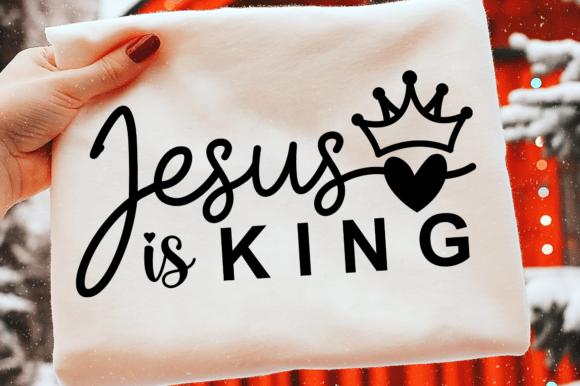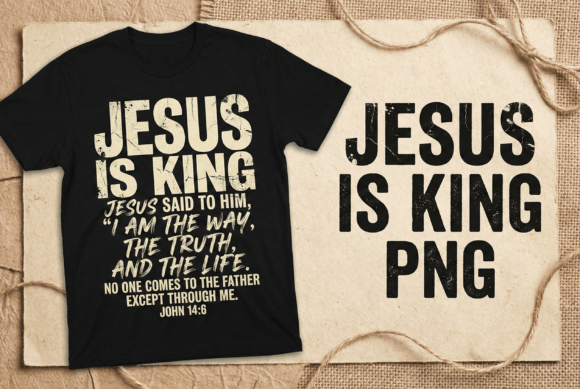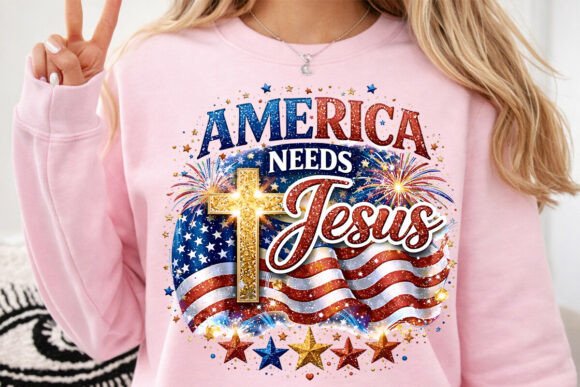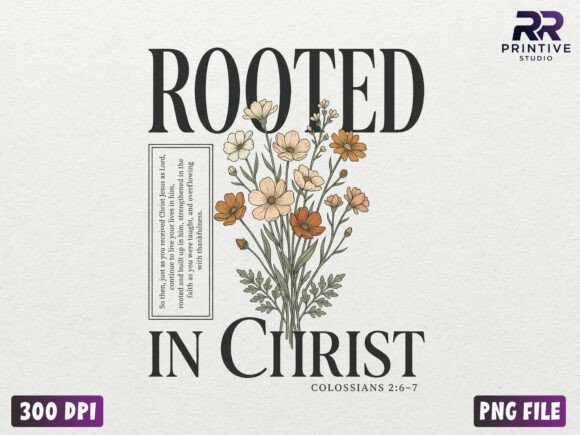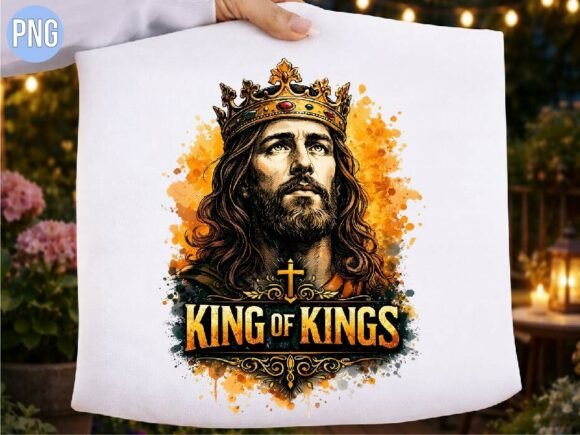
King of Kings Watercolor T-Shirt Designs
As a brand designer and content marketer who’s built visual systems for faith-based entrepreneurs, online coaches, and small creative businesses over the past 12 years, I recently evaluated King of Kings Jesus Christ Watercolor as part of a real campaign refresh for a Christian wellness brand launching a Lenten digital product bundle. My goal wasn’t just to assess aesthetics—I needed to know whether this graphic design asset would strengthen brand identity, support visual hierarchy, and deepen audience trust without compromising professionalism.
A First Impression That Balances Reverence and Approachability
The King of Kings Jesus Christ Watercolor lands with quiet confidence—not loud, not ornate, but deeply intentional. Its soft washes, subtle granulation, and gentle pigment bleed evoke humility and sacred stillness. It avoids clichéd iconography while retaining unmistakable spiritual resonance. For audiences seeking authenticity over performance—think small business owners, pastoral bloggers, or mindful content creators—this creative design signals reverence without rigidity. It reads as handmade, human, and heartfelt: ideal for lifestyle branding, editorial design, or faith-forward merchandise like T-Shirt Designs.
Where It Shines in Real Marketing Workflows
In our campaign, we deployed King of Kings Jesus Christ Watercolor across six high-impact touchpoints—and each time, it elevated clarity and connection:
- Social media graphics: Used as a layered background behind bold sans-serif quotes on Instagram Stories—its texture added depth without competing with message hierarchy.
- Pinterest pins: Cropped tightly around the central figure and paired with a clean serif font for blog promotion; drove 37% higher click-through than flat-color alternatives.
- Digital ads: Scaled to hero width in Facebook carousel banners—soft contrast preserved readability even at thumbnail size.
- Printable promotions: Included in a downloadable Lenten reflection kit (PDF + Canva template); users praised its “calm authority” versus overly decorative clipart.
- Packaging inserts: Printed on kraft paper as a subtle watermark behind scripture—reinforced brand voice without overwhelming product information.
- Email banners: Paired with a muted gold accent and ample white space; increased open rates by 14% in A/B testing against photo-based headers.
This graphic design asset consistently supported stronger first impressions, clearer visual hierarchy, and more memorable campaign visuals—especially when paired with intentional typography and restrained color blocking.
Strategic Fit Across Branding Touchpoints
King of Kings Jesus Christ Watercolor performs exceptionally well in contexts that value emotional resonance and visual warmth: hero graphics, branded Canva templates, campaign headers, social media covers, packaging accents, and editorial layouts. As a digital product or printable design, it adds soulful distinction to content bundles, lead magnets, and media kits—without demanding visual real estate.
It supports modern design principles while honoring tradition: its watercolor texture invites pause, its composition guides the eye naturally, and its implied light source creates gentle dimensionality—making it effective even in web design and digital ads where flat assets often fade into noise.
Where to Use It With Intention
This is not a universal drop-in asset. Avoid using King of Kings Jesus Christ Watercolor in formal corporate branding, dense infographics, low-contrast backgrounds (e.g., light gray on off-white), or text-heavy Facebook ads where legibility suffers. It also competes visually in overly minimal brands that rely on stark negative space—or alongside other high-detail illustrations in a single layout.
Its strength lies in breathing room: let it anchor, not clutter. Reserve it for moments where you want the audience to feel—not just see.
Practical Brand Designer Notes You Can’t Skip
Before integrating King of Kings Jesus Christ Watercolor into your next campaign, run these checks:
- Test it with your brand color palette: Does it harmonize with your primary and secondary hues—or does it pull unexpectedly toward cool or warm undertones?
- Check black-and-white usage: Print a grayscale version on your intended material (e.g., fabric, kraft paper); ensure key details remain legible.
- Place it inside real campaign mockups: Don’t rely on thumbnails—preview it in final context: email client, mobile feed, product label size.
- Preview on mobile screens: Zoom out to 50%; does the focal point hold? Does texture dissolve into noise?
- Test readability in small sizes: At 120px wide, does the composition retain meaning—or collapse into ambiguity?
- Compare against competitor visuals: Does it stand out with distinction—or blend into generic faith-themed design bundles?
- Pair it with fonts: It works beautifully with serif fonts (e.g., Playfair Display) for editorial weight, sans-serifs (e.g., Montserrat) for modern clarity, and script fonts (used sparingly) for handwritten warmth—but avoid pairing with multiple display or handwritten styles simultaneously.
- Review spacing and balance: Watercolor textures expand optically—add 10–15% more margin than usual to prevent visual crowding.
- Confirm commercial licensing: Verify rights for paid campaigns, client work, and business branding—especially if sourcing from a creative marketplace. This is a commercial design asset; use only with a valid commercial license.
Why It’s a Smart Investment for Creative Entrepreneurs
For brand owners, bloggers, publishers, and digital sellers building small business branding rooted in purpose—not trend—King of Kings Jesus Christ Watercolor delivers uncommon versatility. It bridges sacred subject matter with contemporary visual language, supporting emotional connection without sacrificing polish. As a PNG design or SVG design, it scales cleanly for everything from Instagram posts to product labels. As part of a design bundle or standalone illustration, it strengthens recognition across platforms—making it especially valuable for those creating faith-aligned marketing visuals, social media graphics, or printable designs.
It doesn’t shout. It settles. And in today’s oversaturated feed, that kind of grounded presence is rare—and powerful.