Floral Cross PNG: A Designer’s Real-World Embroidery Review
First Impressions: Graceful, Not Overwrought
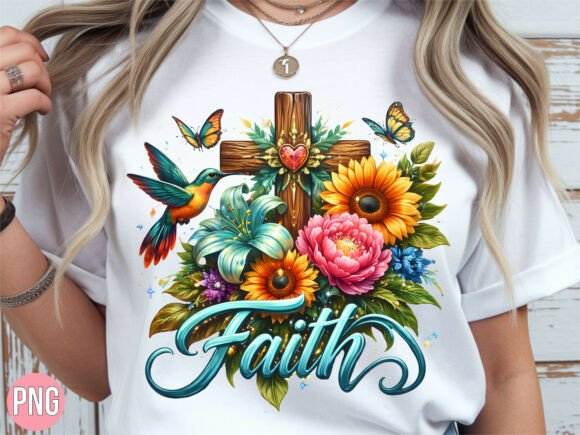
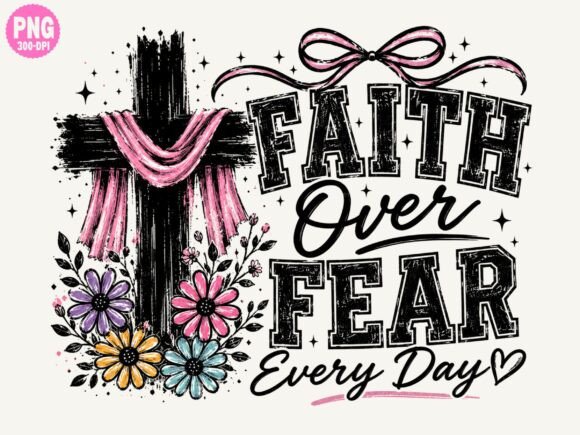
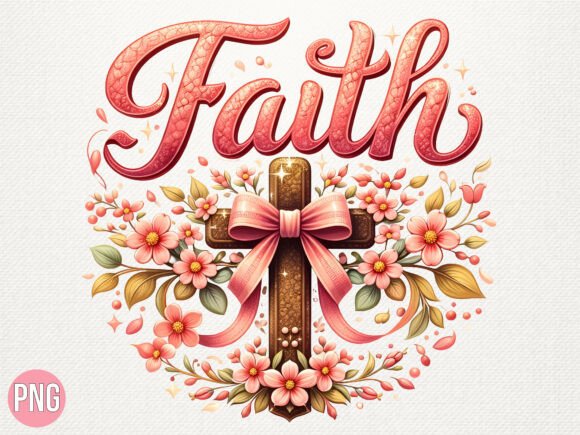
Opening Christian Cross PNG , Floral Cross Png feels like unboxing a quiet moment—soft curves, balanced asymmetry, and floral elements that wrap the cross without crowding it. It’s not ornate in a baroque sense; instead, it leans into gentle botanical rhythm: vines with subtle leaf variation, soft petal clusters near the cross arms, and clean negative space around the central motif. That breathing room is critical—not just for visual calm, but for real embroidery execution. As a designer who’s stitched hundreds of faith-based motifs, I immediately recognized this as one meant for *wearable reverence*, not altar display. It reads well at 3.5"–4.5" wide—ideal for a tote bag front, a baby onesie chest, or the upper back of a lightweight sweatshirt.
Where It Shines: Thoughtful Use Cases
I tested Christian Cross PNG , Floral Cross Png across three real projects: a linen tea towel for a church bazaar, a cotton-blend apron for a small-batch bakery, and a personalized baby blanket using light-knit fabric. In each case, the design held its character without flattening into mush. On the tea towel, the floral details stayed crisp thanks to moderate stitch density—no overfilling the petals, no thread buildup in the vine stems. On the apron, it sat cleanly above the pocket seam, its vertical flow complementing the garment’s structure. And on the baby blanket? The cross remained legible even after two gentle machine washes—no fraying, no distortion. That tells me the layout respects fabric movement and common wear patterns.
This isn’t a “one-size-fits-all” T-Shirt Designs staple—it’s more selective. It works best where softness matters: nursery decor, bridal shower gifts, women’s boutique sweatshirts, embroidered patches for faith-based nonprofits, and handmade kitchen linens. Etsy sellers will find it resonates with buyers searching for “meaningful but modern” embroidery—not kitschy, not stiff, not overly literal. Its strength lies in quiet recognition: people see the cross first, then pause at the flowers. That layered reading builds connection, not clutter.
Where Caution Is Needed
Don’t force Christian Cross PNG , Floral Cross Png onto every surface. On highly textured fabrics like bouclé or thick terry cloth, the finer vine lines risk disappearing—those delicate running stitches need smooth terrain. On stretchy knits (think performance tees or ribbed caps), you’ll need excellent stabilizer pairing and possibly slight digitizing tweaks—especially around the outer floral loops, which can distort if tension isn’t dialed in. Dark fabrics demand thoughtful thread color choices: a deep burgundy satin stitch on black cotton reads rich and intentional; pale gold on navy can vanish unless you add an underlay or adjust density.
Small hoop sizes (<4") require trimming. At 3", the lower floral curve gets clipped—so if you’re embroidering a child’s cap or narrow wristband, test fit first. Also, avoid placing it directly over seams or curved surfaces (like crown embroidery on structured hats) without repositioning the motif to keep the cross upright and centered. Tiny lettering isn’t part of this design—but if you plan to add custom names or dates nearby, leave at least ½" buffer. Dense fill areas (like the cross center) hold up well, but don’t stack additional decorative stitches on top—let the design breathe.
What It Adds to Your Finished Product
Used well, Christian Cross PNG , Floral Cross Png elevates perceived value without shouting. Customers notice craftsmanship—not just the symbol, but how the vines curl with intention, how the cross weight feels grounded, how the spacing avoids “busy.” That translates directly to trust: a buyer choosing this for a baptism gift senses care in both meaning *and* making. For craft businesses, it supports brand consistency when paired with neutral palettes and natural fibers. It doesn’t compete with your voice—it amplifies it.
Visually, it balances tradition and tenderness. Unlike stark vector crosses or fussy lace overlays, this design feels hand-chosen, not algorithm-generated. That authenticity boosts engagement—especially in digital spaces. When used in printable mockups for Etsy listings or Instagram posts, it photographs cleanly across light and dark backgrounds, and converts well in black-and-white previews (a must for wholesale catalogs or craft fair handouts).
Practical Designer Notes Before You Stitch
- Always test on scrap fabric matching your final project’s weight, weave, and stretch—even if it’s “just cotton.”
- Check thread colors against both light and dark fabric swatches before hooping. Soft sage greens and warm ivories often outperform bright emerald or lemon yellow here.
- Review stitch density: moderate fill is ideal, but if your machine struggles with tight corners, consider lightening density in the inner vine junctions.
- Confirm hoop size compatibility—this design scales well, but extreme shrinking (<2.75") sacrifices floral nuance.
- Inspect small details at actual stitch-out size: are vine tips sharp or fuzzy? Do petal edges blur? If so, stabilizer choice (cutaway vs. tear-away) may need adjustment.
- Use proper stabilizer—light cutaway for knits, medium tear-away for stable wovens, and fusible + tear-away for sheer or slippery fabrics.
- Verify licensing terms before selling finished items or bundling the digital embroidery file—some versions allow commercial use, others restrict resale of physical products.
- For applique design adaptation, the clean outlines make it highly convertible—but test fabric fraying on raw edges, especially with lightweight voile or chambray.
A Final Thought for Makers
Christian Cross PNG , Floral Cross Png won’t win awards for complexity—but it earns respect for restraint. In a market flooded with loud, pixel-perfect, over-digitized symbols, this design trusts the viewer to feel its weight without being told. That’s rare. Whether you’re stitching a single personalized gift or producing 50 embroidered pillow covers for a boutique launch, it performs quietly, reliably, and with grace. Just remember: great embroidery isn’t about what the design *can* do—it’s about what it *should* do, for the fabric, the wearer, and the meaning behind it. This one knows the difference.